Henry Ford is often quoted as saying, "If I had asked people what they wanted, they would have said faster horses." A century later, Ford CEO Jim Farley warns that Europe is jeopardizing its auto industry’s future, blaming unrealistic green regulations and uncertainty. Like other car CEOs, he suggests that returning to combustion engines will restore Europe’s competitiveness. This view is fundamentally flawed.
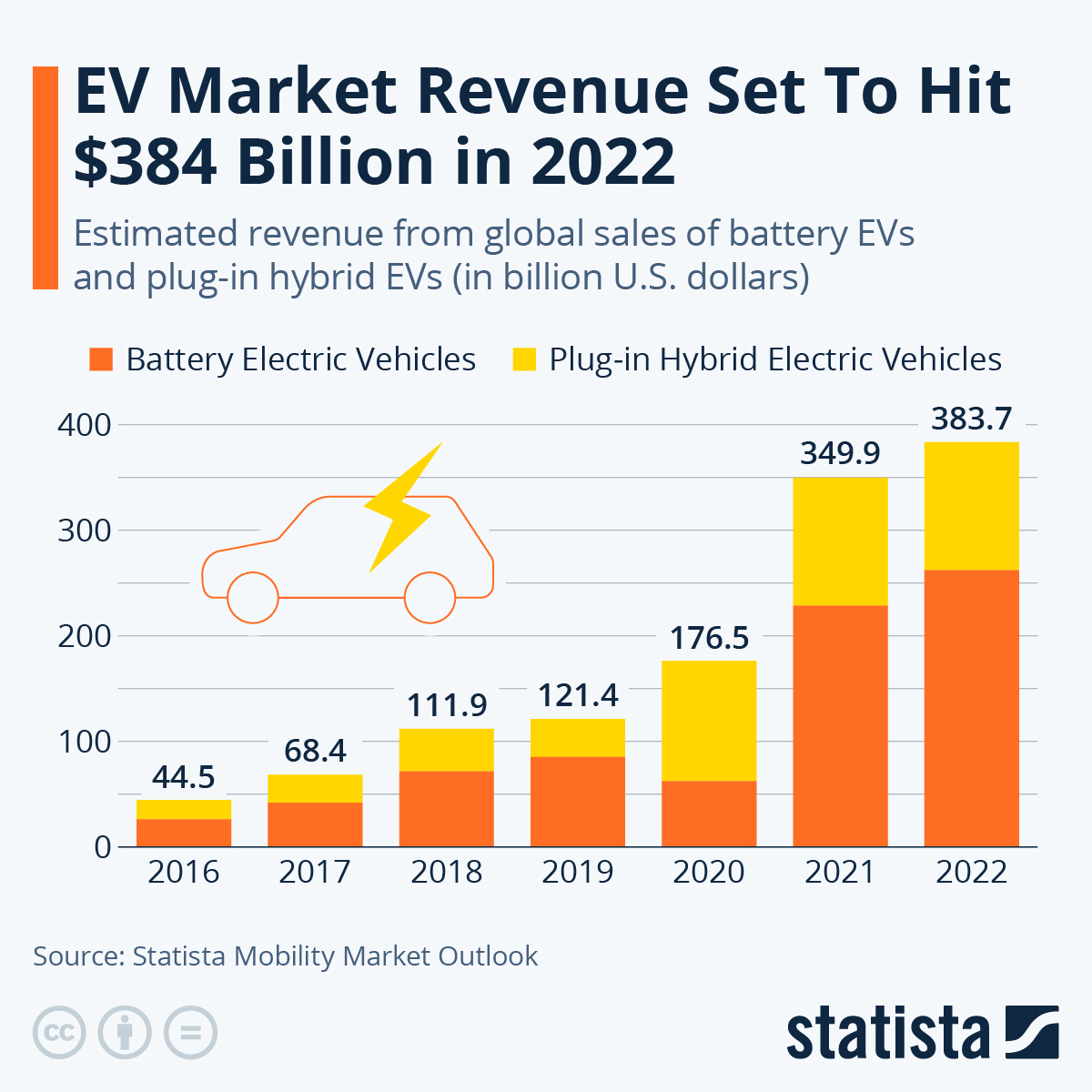
The internal combustion engine is in decline. Since 2019, annual sales have dropped by 4 million units and will not recover in Europe or globally. In contrast, battery electric car sales in the EU have surged by 600%. Vehicles with a plug are nearing a 30% market share in Europe. While this is not yet at China’s level - where over half of new cars have a plug - the growth is still remarkable.
Electric vehicles have always been cheaper to operate than combustion cars. With advancements in battery technology, purchase price parity is within reach, making EVs increasingly affordable for Europeans. As technology continues to improve, EVs will only become better and more cost-effective.
The real competition is not between the US and Europe, but between western and Chinese automakers. To compete in China and rapidly electrifying emerging markets, western brands need a strong home market.
Without regulation, the legacy auto industry will not transform. Eliminating the EU’s car CO2 rules would reduce investment and encourage rent-seeking. While this might boost short-term profits, it guarantees long-term decline.
Following the example of Trump’s America by dismantling the regulations that support the electric vehicle transition would be a grave mistake for Europe.
Instead, the EU should reinforce its EV ambitions and create the conditions necessary for the successful transformation of its auto industry.
Accelerating electrification of the company car segment is crucial. Contrary to car lobbyists’ claims, this would not reduce car sales. Rather, it would help build a market for the world-class EVs produced by French and German manufacturers. Belgium demonstrates this, having quickly become a leader by changing its company car policy.
Some carmakers, like BMW, urge the EU to adopt a multi-powertrain and multifuel strategy. While this may sound appealing politically, it is not practical from an industrial perspective. Plug-in hybrids exemplify the high costs and limited benefits of this approach.
With their complex powertrains and batteries, plug-in hybrids combine the disadvantages of both technologies. EU data shows that plug-in hybrids emit nearly as much as pure combustion engine cars.
Biofuels are not a viable solution. Waste-based biofuels like used cooking oil and animal fats are limited, while crop-based biofuels such as corn, soy, and palm oil require vast land resources. These are complicated and unreliable options, especially when electric vehicles offer an affordable and scalable alternative.
Mr. Farley cites a lack of certainty, but the EU’s 2035 target provides exactly the clarity the industry needs. The EU must show leadership and remain committed to its plan despite industry pressure. Delaying the shift to electric vehicles is the greatest risk facing Europe’s auto industry.



.svg)