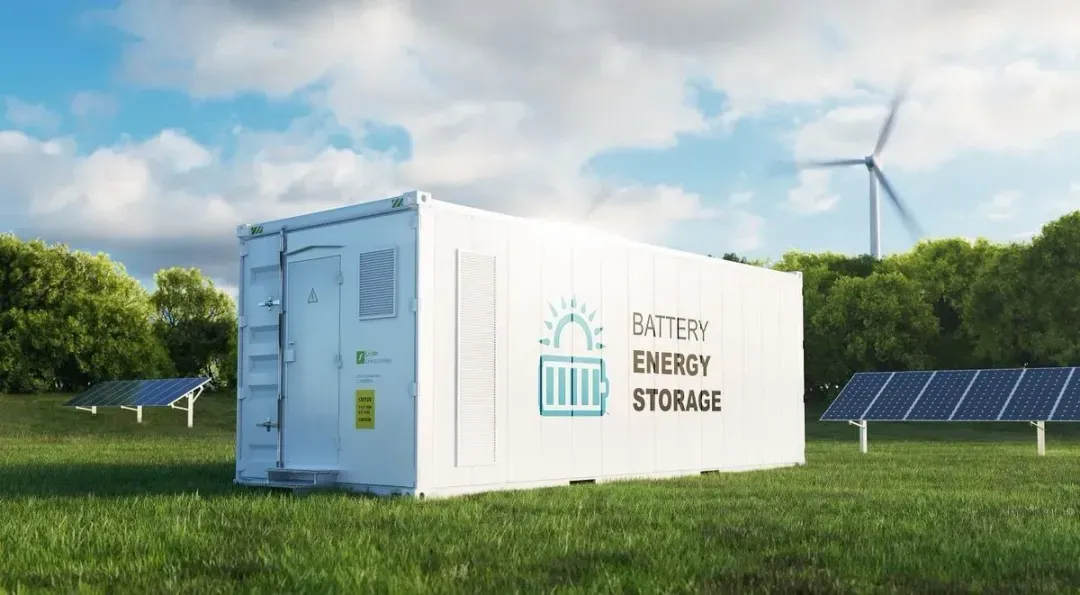
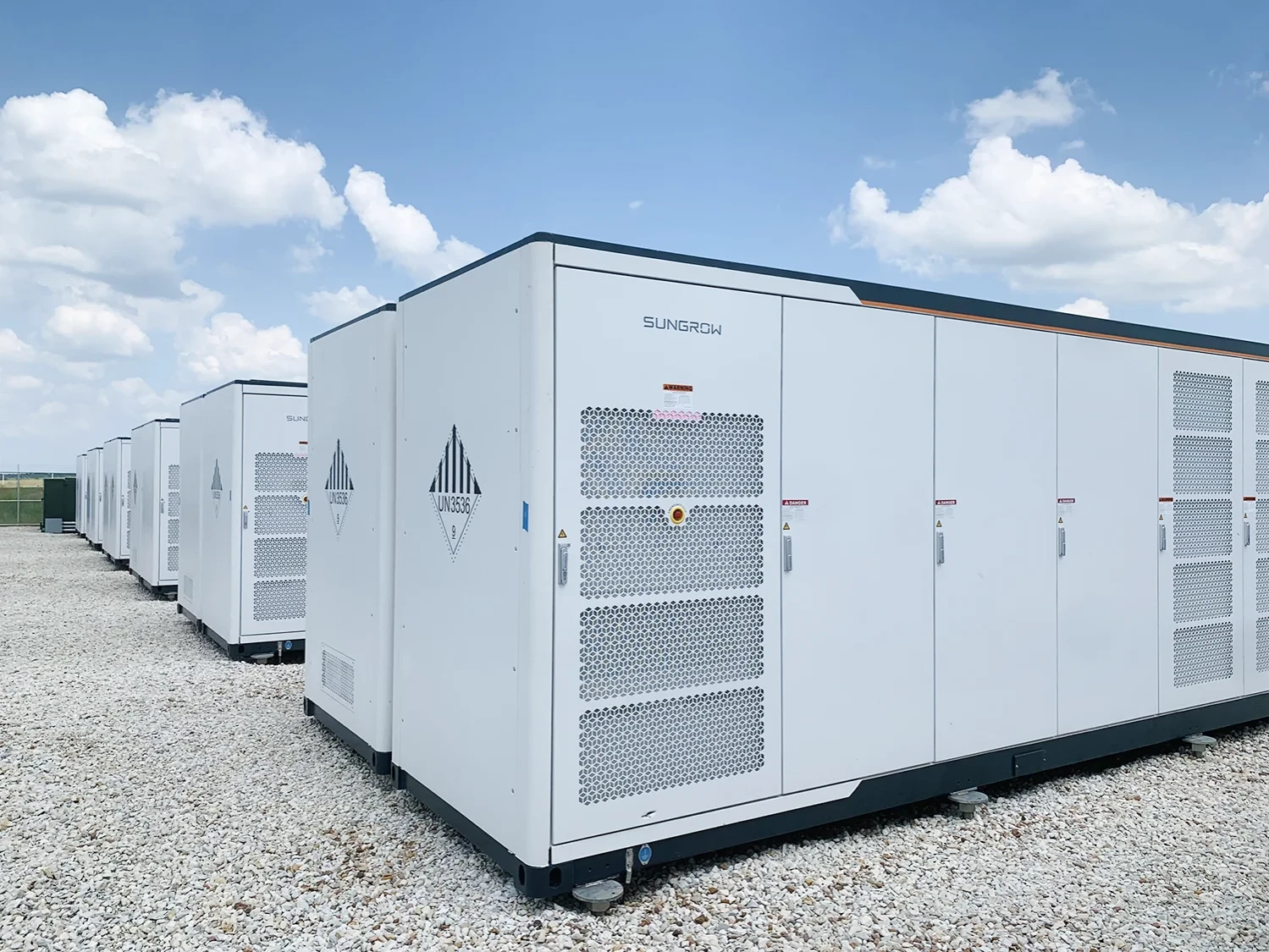
Battery Energy Storage Systems (BESS) — typically powered by lithium-ion or second-life EV batteries — enable users to store excess electricity (from renewable sources or off-peak grid supply) and discharge it when needed. This flexibility is especially valuable in the UK, where rising energy prices, peak tariffs, and net-zero mandates (such as the Clean Power 2030 target) place pressure on public sector estates (schools, hospitals, local authorities) and commercial buildings (offices, warehouses, retail). BESS can reduce energy bills by an average of 10–30%, depending on site load and system integration, while also generating additional revenue streams. With available incentives — including 0% VAT on installations (until 2027) and 100% capital allowances — systems can often achieve payback within 3–7 years. BESS optimises energy use by shiftingconsumption, integrating renewables, and monetising flexibility.
Demand charges (based on maximum power draw) can account for 30–70% of commercial bills. BESS stores energy during low-demand periods (e.g., nights or weekends) and discharges during peaks, flattening usage and avoiding high tariffs. For public sector sites like schools (with high daytime loads from HVAC and lighting), this can reduce peak demand by 20–50%, lowering bills directly. Commercial buildings with EV charging or heavy machinery see similar gains, often avoiding costly grid upgrades — saving £1m+ per site.
Buy or generate electricity cheaply (e.g., off-peak rates at 5–10p/kWh) and use or sell it during high-price periods (up to 30p+/kWh). Paired with solar PV, BESS boosts self-consumption from around 30% to 70–90%, cutting import costs. Public estates benefit from stable budgeting amid market volatility, while commercial users can export via the Smart Export Guarantee (SEG) for extra income.
Store surplus solar or wind output to use later, reducing reliance on grid imports and export losses (at low rates such as 5p/kWh). Commercial properties in high-solar areas (e.g., warehouses) can maximise ROI on existing PV arrays and prevent energy waste.
BESS provides ancillary services such as frequency response or Dynamic Containment, earning £50–200/kW/year from the National Grid. Our aggregators handle trading, turning storage into a profit centre. Both public and commercial sectors can offset 20–40% of system costs this way, with our “as-a-service” models (no upfront CAPEX) accelerating adoption.
Unplanned outages can cost businesses £10,000+ per hour. BESS ensures seamless backup for critical loads — such as hospital IT systems or office servers — indirectly saving on downtime and insurance costs.
Public sector managers (e.g., academy trusts) prioritise compliance and long-term savings under DfE/ESFA rules, while commercials focus on quick ROI amid Scope 2 emissions reporting. BESS fits both, via modular installs (50 kW–5 MW scale).
System-wide, BESS could save the UK £2.4 bn/year by 2030 (rising to £7 bn on optimised pathways), with ~£50 annual bill cuts per household — benefits flowing to public/commercial users via lower wholesale prices.

BESS at bases stores solar excess for peak evening use, cutting demand charges by 25% and enabling EV charging without grid strain (via modular second-life batteries).

Integrated BESS with 400 kW solar/CHP; saves on bills via arbitrage and earns from frequency response, with full ROI in under 5 years.

Two BESS units provide reactive power, generating new revenue streams and reducing peak costs by 15–20%.
BESS not only slashes costs but future-proofs against price hikes (projected 10–15% rise in 2026).
High upfront costs (£250–450/kWh) and revenue uncertainty; mitigated by “as-a-service” (e.g., no CAPEX, revenues shared) and Ofgem’s cap-and-floor scheme (first approvals 2026).
Conduct a site audit (free via Solev Energy) to model savings based on your load profile. Pair with solar for maximum impact and check eligibility for LODES grants (£69 m pot). For public sector, align with the DfE’s net-zero framework.
This assumes a typical academy or maintained school profile (e.g., daytime peaks from lighting, HVAC, and IT during term time, ~800–1,000 operating hours/year). Key sources include SSE Energy Solutions’ school projects (36% cost savings with BESS integration) and Connected Energy’s educational case (substantial bill reductions via 360 kWh BESS + solar).
Savings stem from:
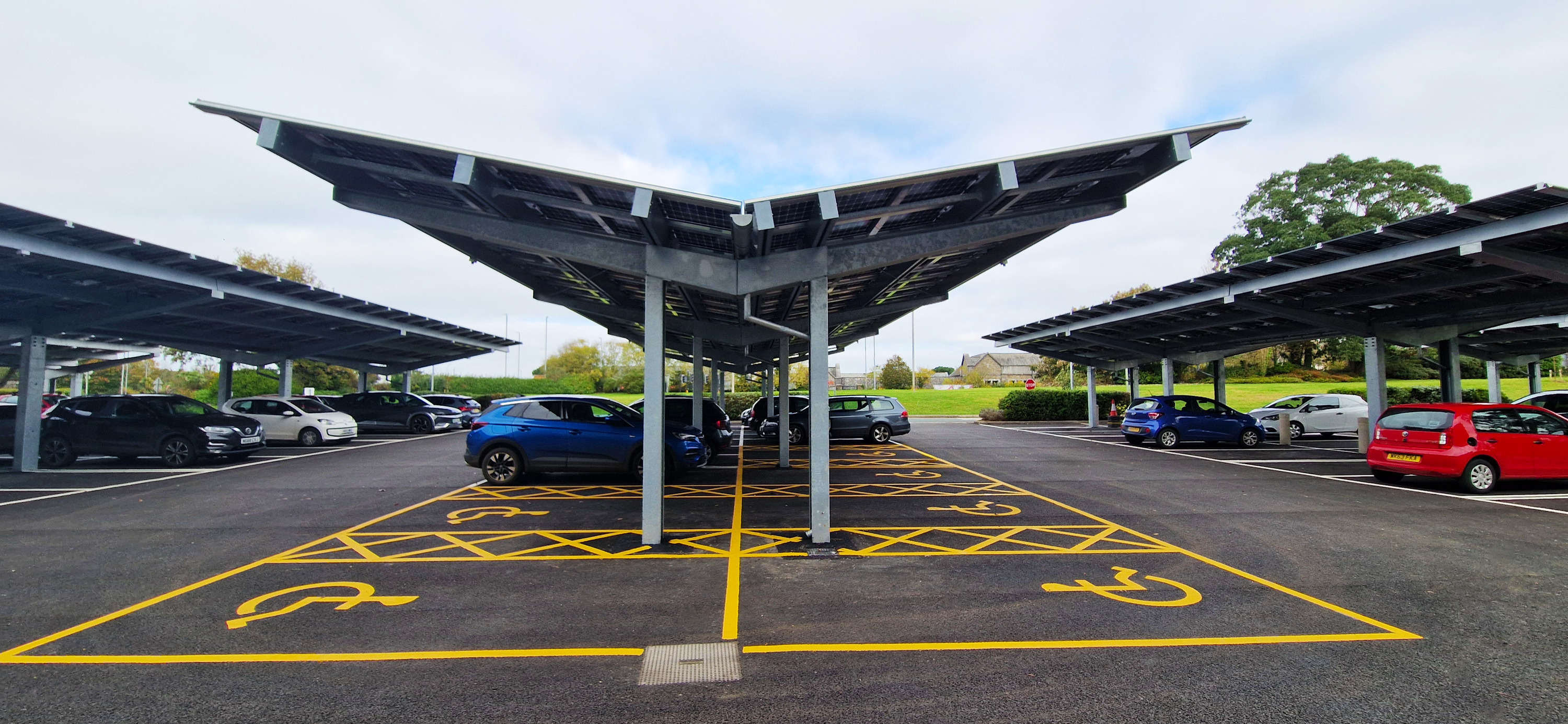
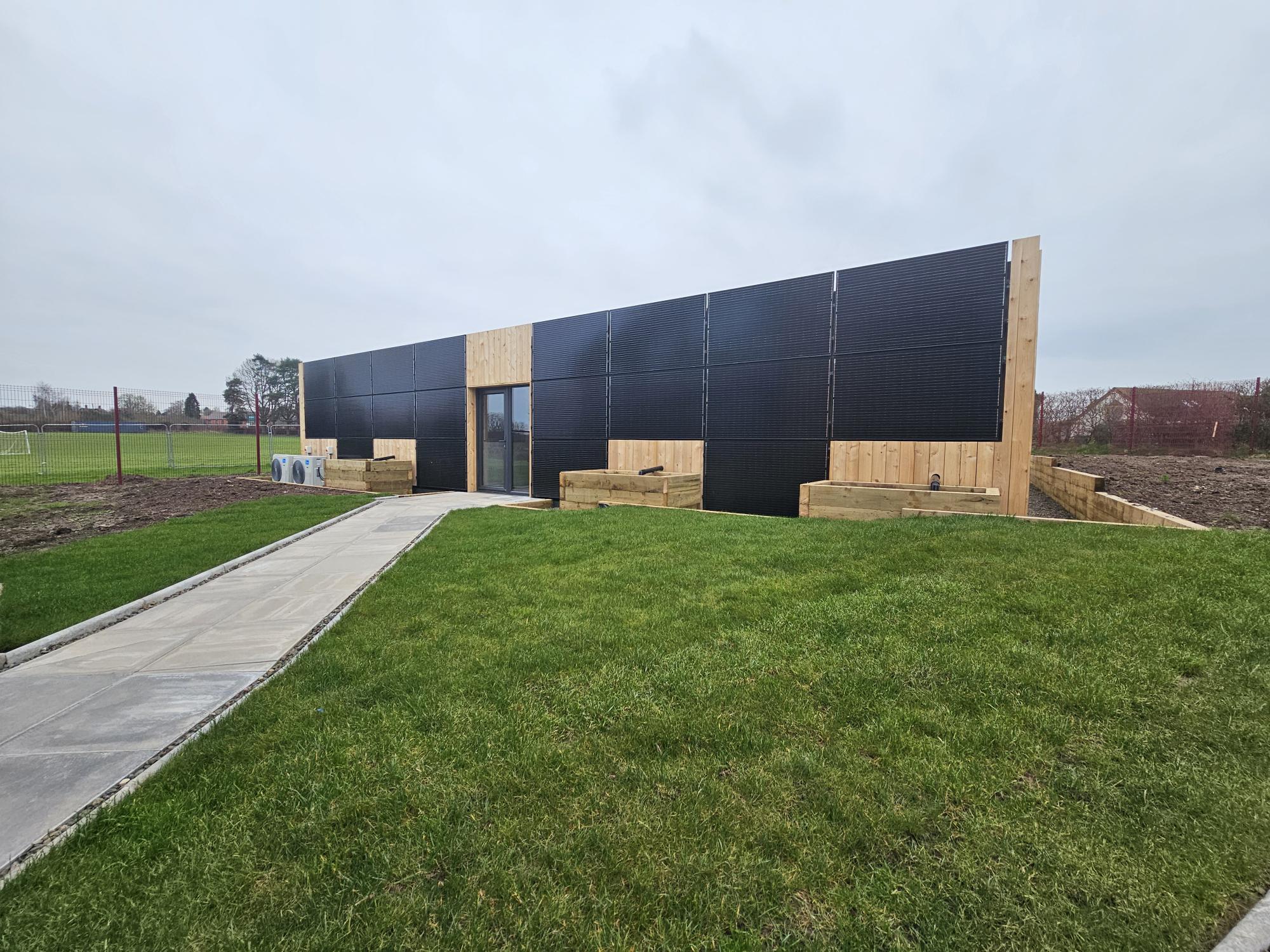
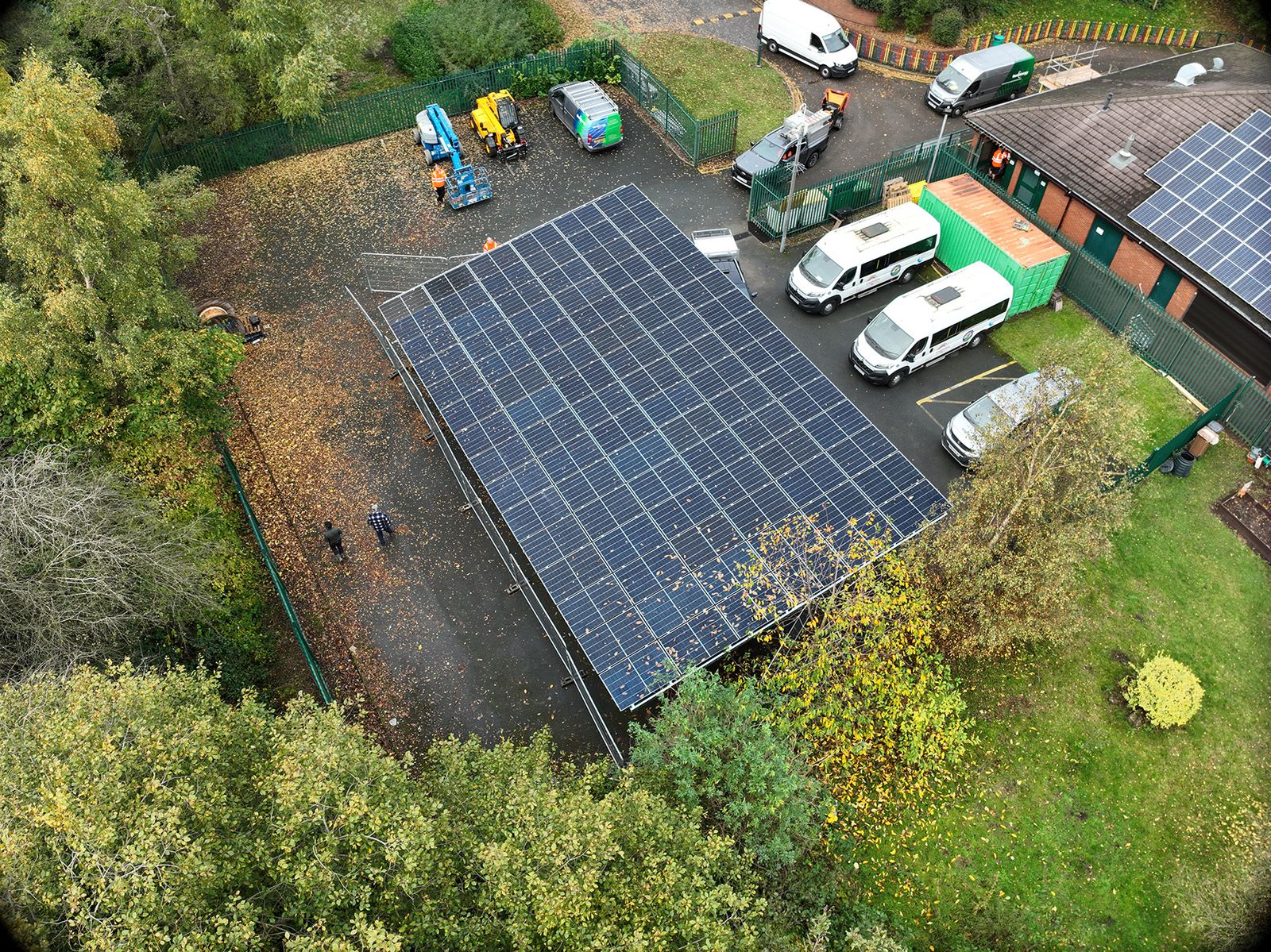
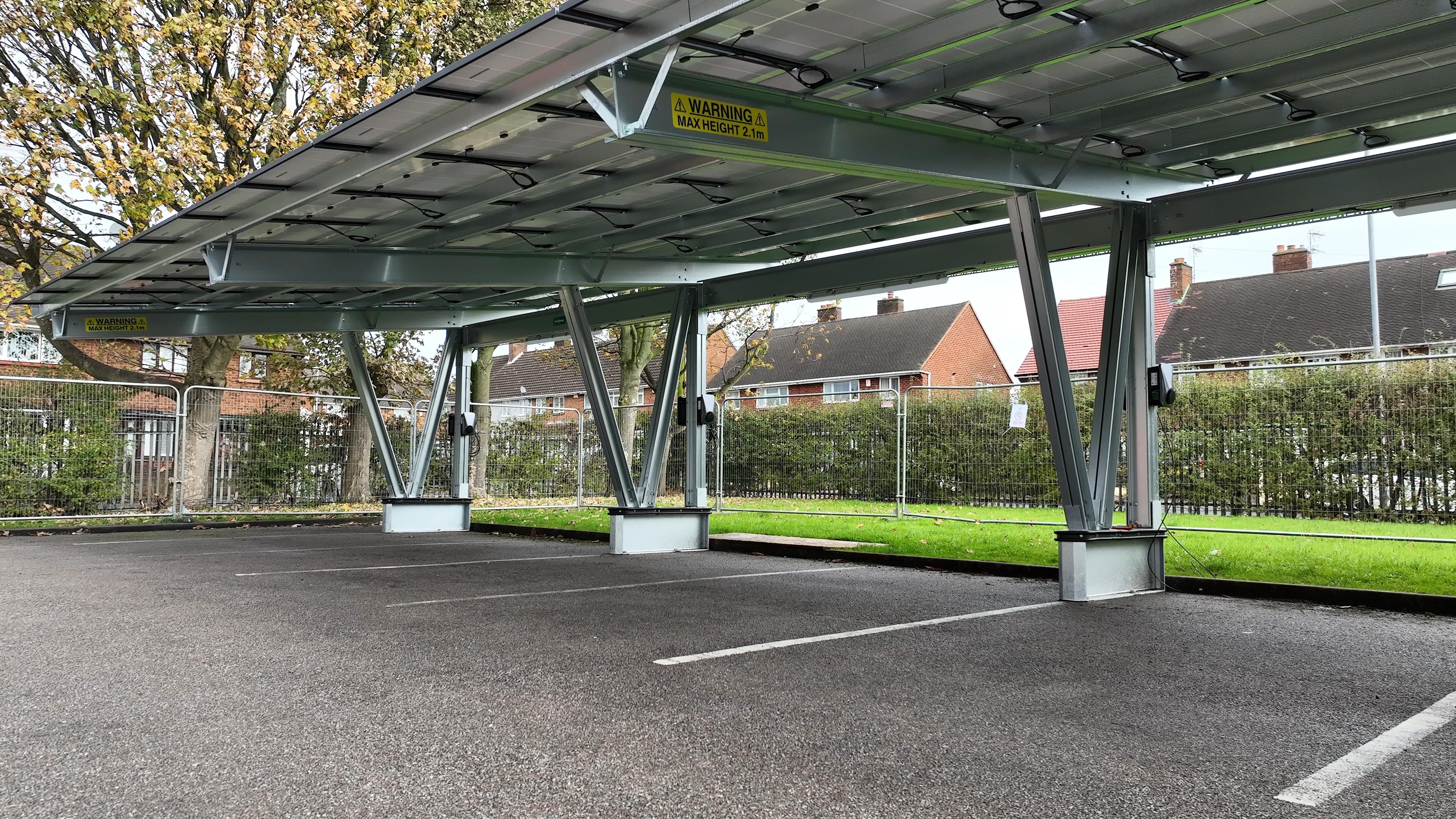
Considering solar for your car park or a Net Zero building for your site? Request a free site survey and get a personalised assessment for SolarCatcher solar carports, SolarSpace Gyms, or SolarSpace Nurseries.
-p-1600-p-500.png)







%20(1).webp)
%20(1).webp)
%20(1).webp)
%20(1).webp)
.svg)


.svg)