Once installed, solar panel systems will power appliances like fridges and TVs before drawing energy from the grid.
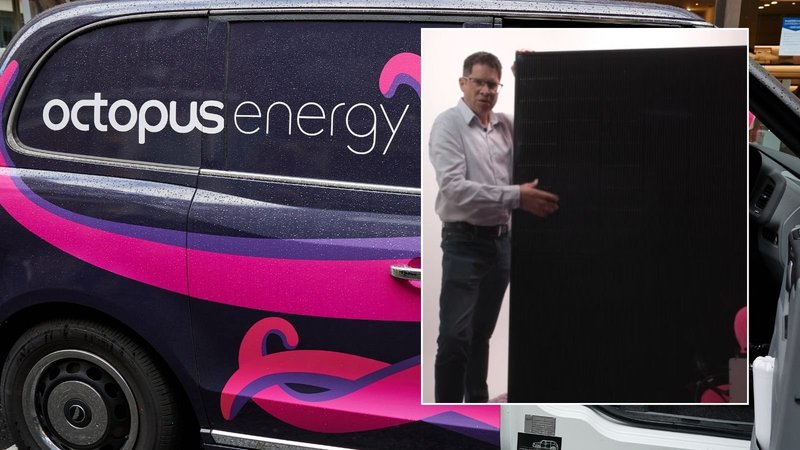
Octopus Energy, a UK-based company, has begun releasing plug-in solar systems, becoming the first major supplier to introduce this technology.
This development follows regulatory updates from the UK government on 27 August. Under the new rules, households can now plug solar panels into their homes using a three-pin plug, with a capacity of up to 800W. With rooftop solar making up seven out of ten installations in the UK during July, the government aims to accelerate residential solar adoption.
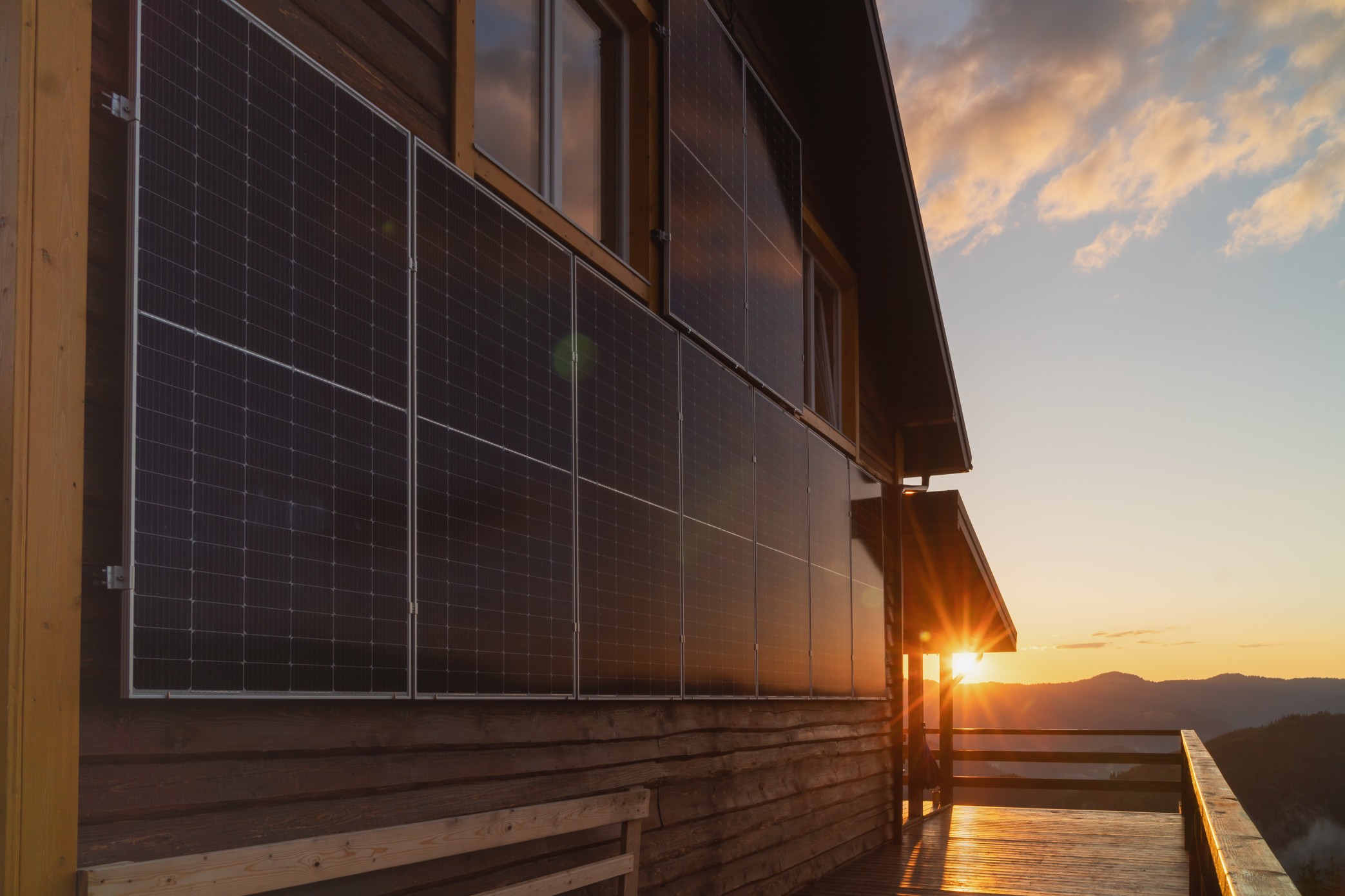
Plug-in solar systems, including Octopus kits, feature one or more compact PV panels. When placed in a sunny spot, such as a garden or shed, the panels can be connected to a weatherproof outdoor socket.
After installation, household appliances and lights will use the generated solar energy first, before relying on the grid. These appliances include fridges, TVs, and WiFi routers. However, the systems cannot power heavy equipment like electric showers, ovens, or EV chargers at the same time.
Because the panels are both mains-powered and portable, plug-in systems offer renters, flat-owners, and homes without suitable roofs the chance to benefit from solar energy. Potential savings could reach up to £150, depending on sunlight and energy use, according to Octopus.
The kits come with a standard UK three-pin plug and a 5m cable, allowing households to connect the panels to existing mains sockets. This provides an alternative to rooftop panels, which require specialist installation.
“Britons love solar - generate your own green power, slash bills, and get energy independent, what’s not to love,” said Rebecca Dibb-Simkin, chief product and marketing officer at Octopus.
“But you shouldn't need a roof to tap into the savings. Plug-in solar democratises cheaper energy, making sure everyone can shrink their bill while helping build a greener grid.”
The system will start at £450 per solar kit, with customers able to choose setups featuring one or two panels. Octopus also noted that customers with a two-panel system could pair it with a smart export tariff, potentially repaying the cost of the panels within five and a half years.
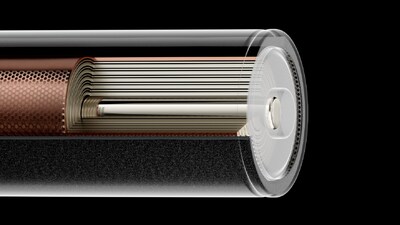
Octopus announced that its plug-in solar panels will also be compatible with its upcoming Nook Cube plug-in home battery, launching in the UK, Germany, France, Italy, and Spain in 2027.




.svg)