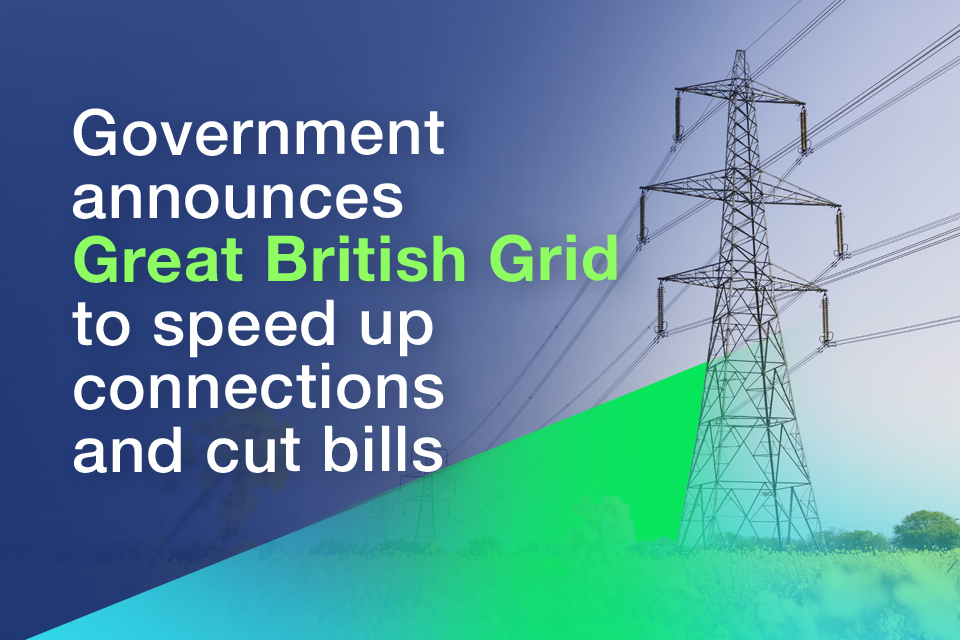
Burnham announced the launch of Great British Grid, a publicly owned electricity grid company designed to challenge private sector operators, increase competition, lower costs, and accelerate connections.
Speaking at the Labour Party Conference on 29 September, UK Prime Minister Andy Burnham described the initiative as a “circuit breaker,” pledging greater government control over electricity prices by expanding renewable and nuclear generation.
He also outlined a more “pragmatic” approach to the North Sea, referencing the pending decisions on the Rosebank oil field and Jackdaw gas field projects. These decisions, now delayed, rest with Energy Secretary Miatta Fahnbulleh.
Following a recent funding announcement for ‘People’s Power,’ Burnham committed to giving local mayors more authority within the national energy plan.
Anticipation centered on the creation of Great British Grid, which Burnham described as “a new branch of Great British Energy.” He emphasized that it will be a publicly owned company set to challenge private operators, boost competition, reduce costs, and speed up grid connections.
With energy bills in Britain remaining high, pressure has increased for Burnham’s government to act ahead of the Autumn Budget. While Energy Secretary Fahnbulleh has considered removing green levies from bills, GB Grid focuses on reducing costs related to infrastructure upgrades.
The Department for Energy Security and Net Zero (DESNZ) published further details, clarifying that GB Grid will “complement, rather than replace” existing energy institutions. The company’s initial start-up costs will be funded by GB Energy’s current budgets, with Burnham pledging £4 billion to the project - a portion of the £70 billion required for full grid upgrades. Future spending reviews will address the long-term investment needs.
Existing network operators will maintain their roles, while GB Grid will co-invest and support private businesses in tendered transmission projects.