Germany, long recognized as the heart of Europe’s automotive industry, is now leading the continent in building a domestic battery supply chain to support its manufacturing base and secure the future of its car sector.
More than €13 billion has been invested in battery supply chain projects across Germany, covering refining, cathode production, gigafactories, and recycling. Over 36 major sites are active or planned, set to create more than 25,000 direct jobs by 2030.
Germany boasts one of Europe’s largest downstream capacities, with gigafactories projected to reach 259 GWh by 2030, up from 67 GWh today. Major companies like Tesla, CATL, and Volkswagen’s PowerCo are central to this expansion, supported by a robust network of material producers and recyclers.
Germany’s advantage lies in its comprehensive approach. The country is not only assembling batteries but also developing every stage of the supply chain.
- Refining and Materials: Projects such as AMG Lithium’s refinery in Bitterfeld-Wolfen, Europe’s first lithium hydroxide plant, and Vulcan Energy’s geothermal lithium extraction in the Upper Rhine Valley are strengthening the upstream segment.
- Cathodes and Anodes: BASF’s Schwarzheide site combines cathode active material production with one of Europe’s first large-scale battery recycling facilities, while IBU-tec and GDI–AGC Glass Europe are advancing new midstream material technologies.
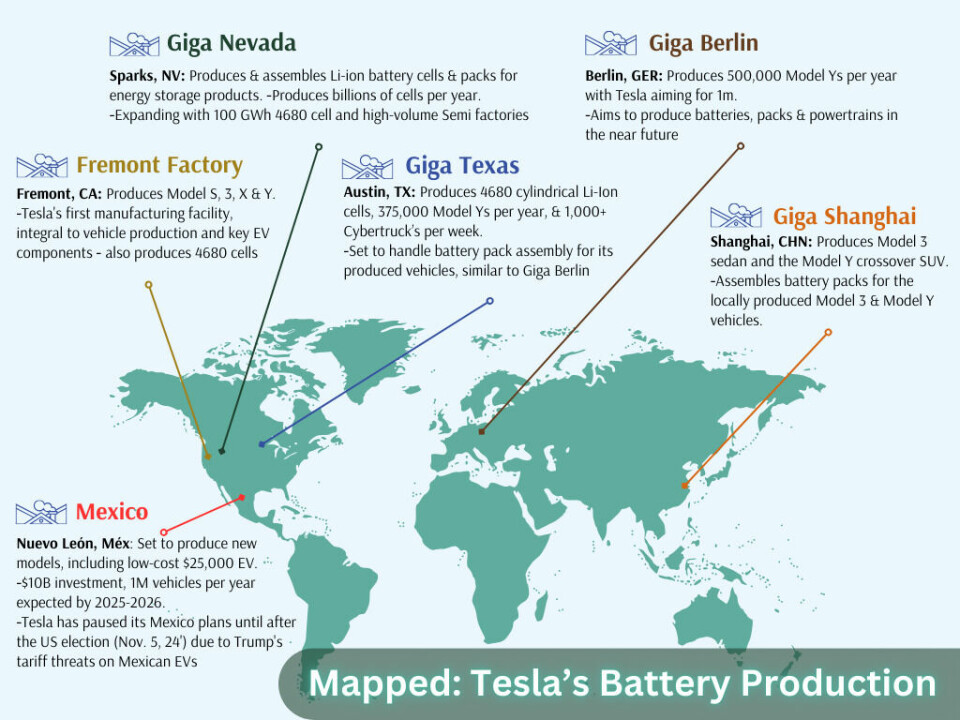
- Gigafactories: Tesla Berlin, CATL Erfurt, and PowerCo Salzgitter lead a growing list of more than a dozen gigafactories, forming the backbone of Europe’s battery manufacturing base.
- Recycling: Initiatives like Mercedes-Benz’s Kuppenheim pilot, BASF’s Schwarzheide, and PowerCo’s upcoming facility are driving the recycling wave, securing domestic supplies of key materials.
Germany’s battery sector growth has been fueled by proactive policy. The EU’s Important Projects of Common European Interest (IPCEI) framework has enabled significant state aid, while the national KfW Climate and Transformation Fund and the Raw Materials Fund have supported key projects such as BASF’s Schwarzheide hub and Vulcan Energy’s lithium operations.
The sudden end of Germany’s EV purchase subsidies in 2023 led to stagnation, highlighting how abrupt policy changes can erode consumer confidence and stall progress. Berlin’s plan to reintroduce EV support in 2026 marks an important adjustment.
As Europe’s largest car market and manufacturing base, Germany’s policies influence the entire continent. If, after attracting billions in investment and creating thousands of jobs, Germany allows demand for electric vehicles to decline, it could undermine confidence throughout the European supply chain. Investors and manufacturers rely on clear, consistent signals that Europe will remain committed to electrification.
The EU’s CO₂ regulations for new cars and vans, targeting a 100% reduction by 2035, are the primary driver of Europe’s battery investment. Any weakening or delay of these rules would create uncertainty for manufacturers, investors, and workers across the value chain. Germany’s position is therefore crucial. While calls for “technology-neutral” carve-outs, such as exemptions for e-fuels, may offer short-term political relief, they risk obscuring the long-term direction that industry needs to plan for the future.



.svg)