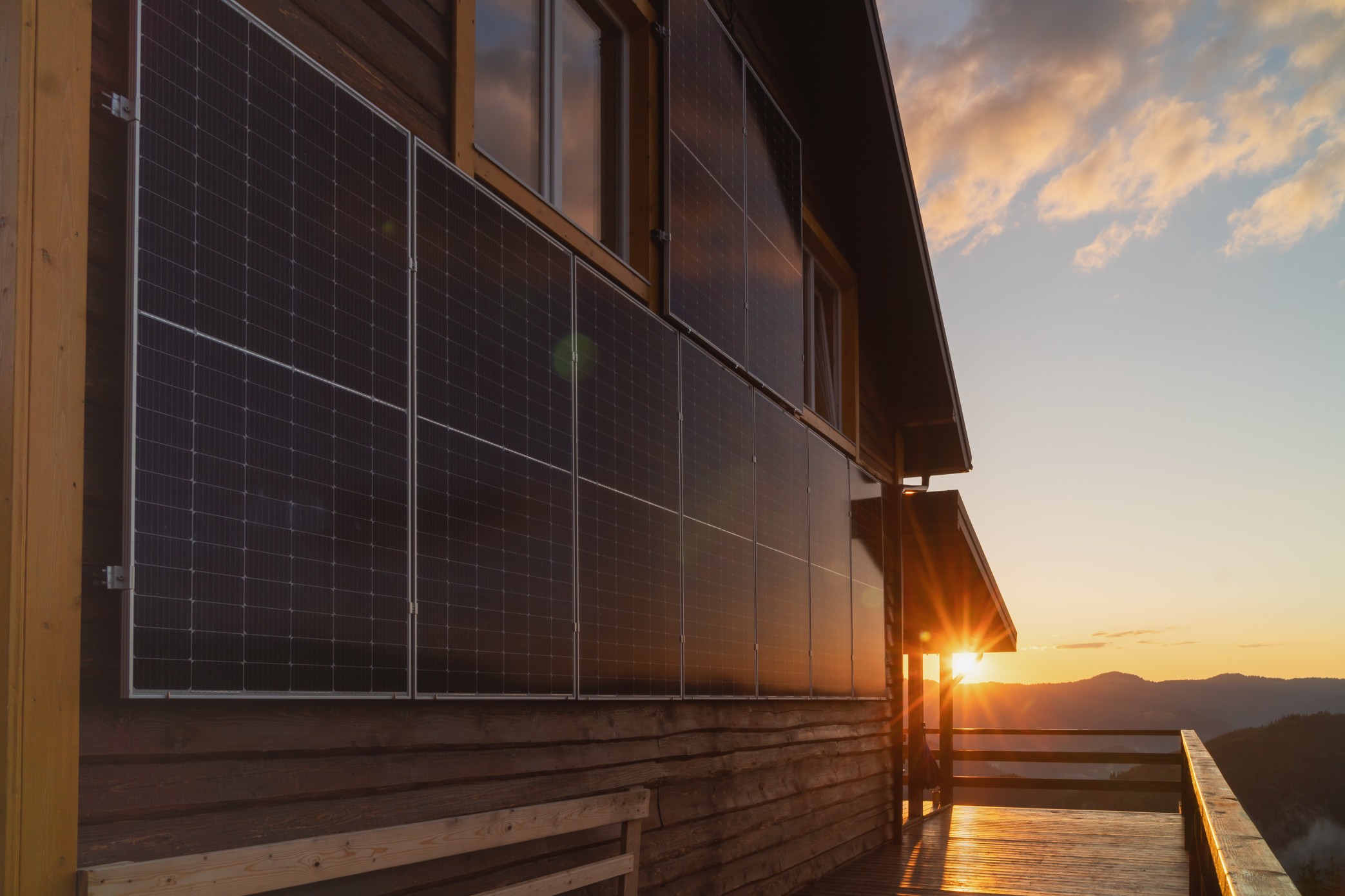

The UK government has unveiled the Warm Homes Plan, described as “the next step in addressing the long-term issue of energy affordability for the country.” This initiative will provide £15 billion in public investment to help consumers install domestic clean technologies, focusing on solar PV, battery energy storage systems, and heat pumps.
The plan features a higher-than-expected budget and centers on the installation of solar, storage, and heat pump technologies. However, critics have called for legislation to reduce electricity costs and to shift the supply chain away from China.
The investment primarily targets low-income households but is designed to support consumer choice for all. Funding will be distributed across five key areas:
- £5 billion to cover the cost of insulation, solar, battery storage, and heat pump installations for low-income households
- £2 billion for low-cost, zero-interest loans for those able to pay
- £2.7 billion to expand the boiler upgrade scheme, offering £7,500 grants for electrified heating technology and now including heat batteries, extended to 2029/30
- £1.1 billion for heat networks
- £2.7 billion for the Warm Homes Fund, supporting innovative financing such as green mortgages for homes with energy upgrades
Further details on accessing low-interest loans will be released later this year after consultations with the finance sector and consumer groups.
The Warm Homes Plan is the result of two years of development, initially proposed by Labour in opposition. The plan has evolved, now placing less emphasis on insulation and not banning gas boilers after 2035, as previously suggested. Instead of targeting 600,000 heat pump installations per year, the goal is now 450,000 by 2030. Despite criticism, the investment surpasses the previous figure of £13.2 billion.
There is no direct replacement for the Energy Company Obligation (ECO), which previously retrofitted home insulation. This may be due to a recent scandal revealing that 98% of homes with external wall insulation under ECO or similar schemes required significant repairs or faced risks of damp and mould.
Some suggest that visible initiatives like solar panels serve the government’s political interests. To improve the home upgrade experience, the plan introduces a new Warm Homes Agency, consolidating regulatory functions to enhance consumer support and reduce duplication.
New rules will require landlords to install clean energy generation in their properties. From 2030, rental properties must achieve a minimum energy efficiency score of EPC C, up from E. The government also plans to revise how these ratings are calculated, moving away from a cost-based methodology.
Electricity prices remain a barrier to heat pump adoption. While heat pumps are more efficient than gas boilers, high electricity costs can make them as expensive to run. The plan encourages combining heat pumps with solar PV and battery storage to maximize savings.
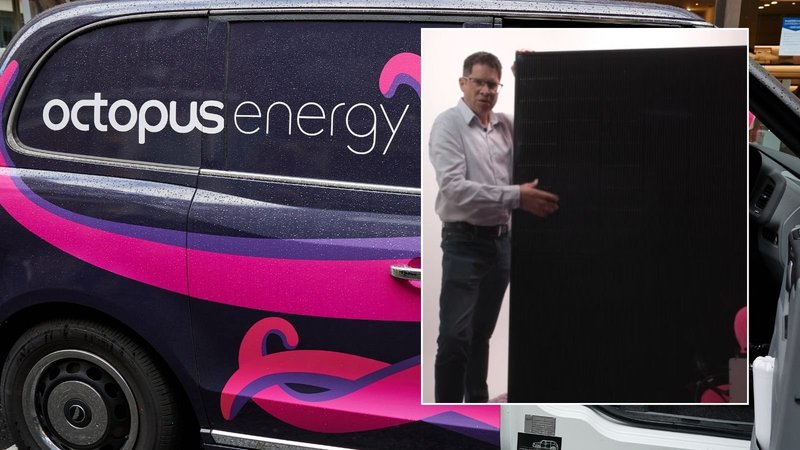
Greg Jackson, CEO of Octopus Energy, called the Warm Homes Plan “a really important step forward,” but emphasized the need to lower electricity costs for everyone. The government claims the plan could save up to 5 million homes hundreds of pounds on energy bills and lift up to a million families out of fuel poverty by 2030.
Prime Minister Keir Starmer stated, “This is a government bearing down on the cost-of-living crisis. By driving bills down for good and upgrading millions of homes, we’re giving people the security and the fair shot they need to get on in life.”
Whether the plan will deliver noticeable reductions in energy bills remains to be seen, and the delay in implementation may leave voters with little time to experience its benefits. Andy Prendergast of the GMB union criticized the plan as “muddle-headed top-down bureaucracy,” arguing that subsidies alone will not win public support for heat pumps.
The government estimates the Warm Homes Plan will create 180,000 additional jobs by 2030 and unlock up to £38 billion in total investment, with further funding for skills, innovation, and UK manufacturing.
Gemma Grimes of Solar Energy UK highlighted the plan’s broader benefits, stating that every solar installation, battery storage unit, and heat pump brings the UK closer to a clean, low-cost energy system, reducing reliance on natural gas and supporting high-quality jobs.
A report from the Energy Savings Trust noted a shortage of skilled retrofit and heat pump installers. The government is urged to raise awareness of retrofit careers and incentivize both new entrants and existing workers to retrain. Sachin Vihbute of LG emphasized the need for continued focus on training and installer capacity to realize the plan’s potential. Financial support for training could help address income loss during retraining.
Jackie Copley of the Campaign to Protect Rural England welcomed the move to make solar panels standard on new homes and to triple rooftop solar installations by 2030, arguing this would reduce pressure on the countryside and support renewable energy goals.
Debate around solar PV has shifted, with critics now focusing on the reliance on imports from China. Shadow energy secretary Claire Coutinho and Reform UK’s Richard Tice both raised concerns about dependence on Chinese components. However, the government has committed to ensuring no slavery in the solar supply chain, promoting domestic manufacturing, and aiming for at least 70% of heat pumps installed in the UK to be UK-made under the Warm Homes Plan.


.svg)