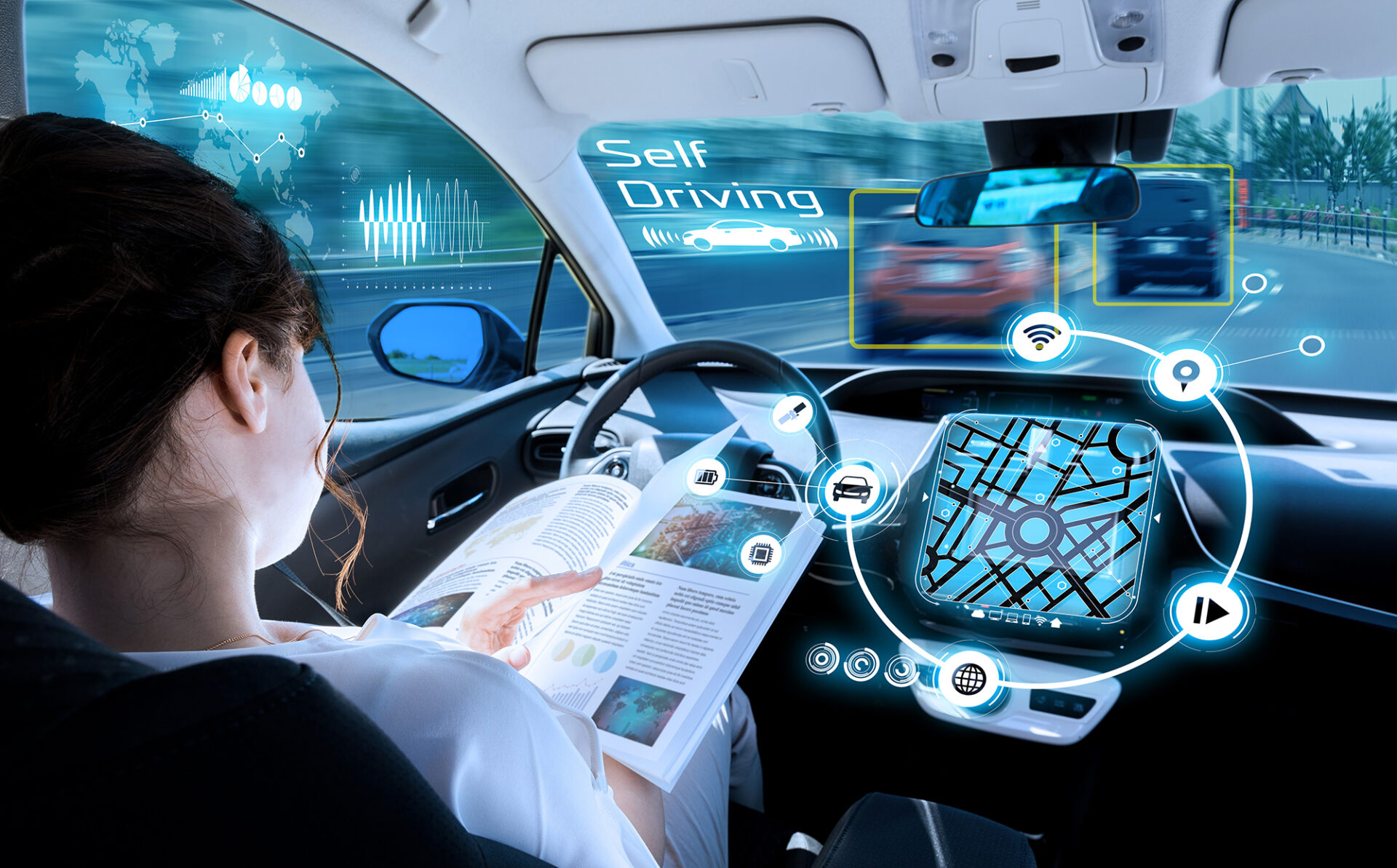
There are several approaches to self-driving technology, each with its own advantages and disadvantages. While debates continue over which method is superior, it is clear that all are making progress and could achieve full autonomy sooner than many expect.
Rivian CEO RJ Scaringe recently stated that self-driving vehicles are on the horizon. Unlike Elon Musk’s earlier prediction of 2017, Scaringe forecasts Level 4 autonomy - where no human intervention is required - by 2028 to 2030.
“People who think full self-driving is still ten years away are badly misjudging,” Scaringe says. The rapid advancement of AI has surprised many, with developments happening faster than most anticipated. Robotaxis are already operating, and automakers like Volkswagen, Rivian, and BYD are racing to keep up and avoid falling behind.
BYD, for example, has begun accepting liability for accidents when its “God’s Eye” driver-assist and self-driving technology is active. While it may not yet offer full point-to-point robotaxi service, the company’s willingness to take responsibility suggests a high level of confidence in its system, allowing drivers to relax while the technology is engaged.
Scaringe believes Rivian could deliver hands-off, eyes-off self-driving within 18 months at best, or by 2030 at the latest. Tesla enthusiasts expect similar breakthroughs soon, though such optimism has persisted for years. While Tesla relies solely on cameras, Rivian and most competitors use radar and lidar in addition to cameras, raising questions about which approach will ultimately prove most effective. The best solution may not only be the first to market, but also the most reliable in the long run. Time will tell which strategy prevails.



.svg)