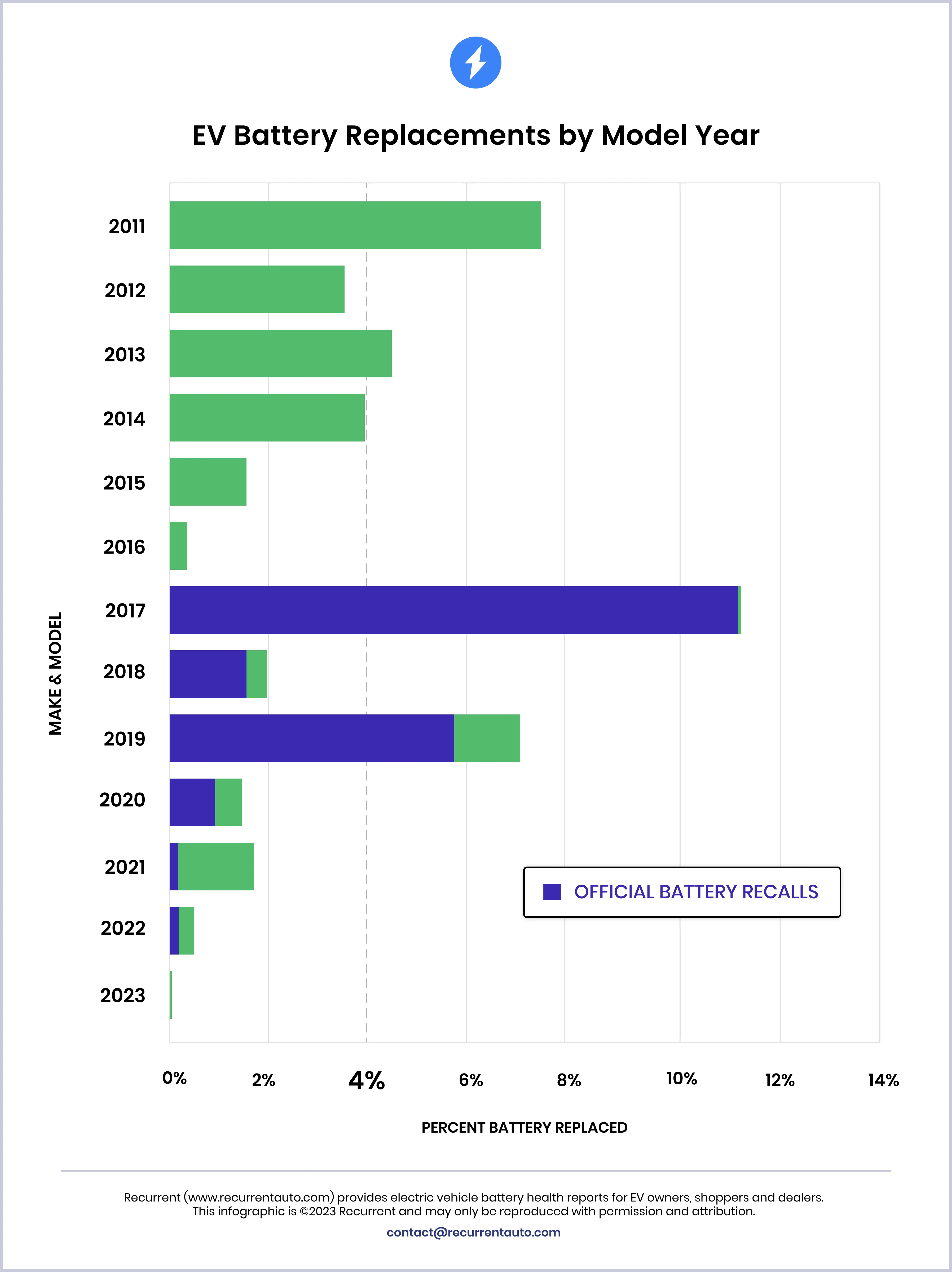
Concerns about electric car range and battery longevity are often overstated. For example, with a 2019 Tesla Model 3 SR+ and a 2018 BMW i3 REx, charging just once or twice a week overnight at home is sufficient. Modern electric vehicles offer significantly greater range, improved batteries, and minimal issues with battery lifespan.
Today’s electric cars have three to four times the range of models from a decade ago. Even with some battery degradation, they still outperform older electric vehicles in terms of range.
Aviloo, an EV diagnostics company, recently analyzed the battery health of various electric vehicles after 50,000 km (31,068 miles), 100,000 km (62,137 miles), and 150,000 km (93,205 miles). Over 500,000 battery health tests were conducted for this study.
The tests covered vehicles across North America, South America, Europe, Asia, and Australia between 2022 and 2026. Only 20 popular models were included, so while we can see which performed best among these, the results do not represent all electric vehicles on the market.
Most electric car models retained about 95% of their original battery capacity after 50,000 km, and typically remained in the lower 90% range after 150,000 km. Some vehicles lost only a few percent of capacity even after 150,000 km, while others experienced up to a 20% loss, sometimes as early as 100,000 km. In practical terms, this means only a slight increase in charging frequency, which requires minimal effort.
- Hyundai IONIQ 5
- Hyundai Kona EV
- Mercedes-Benz EQA
- BMW i4
- Volvo XC40 Recharge
- Polestar 2
- Ford Mustang Mach-E
These models and brands performed especially well, making them strong choices for buyers.



.svg)