
Environment secretary Emma Reynolds stated, “We have enough land to build the homes needed to address the housing crisis, maintain domestic food production, restore nature at scale, and build clean, homegrown power to provide energy security.”
The UK government’s Department for Environment, Food & Rural Affairs (Defra) has released a strategy paper emphasizing that renewables, housebuilding, and food production are not competing demands.
In the foreword to the first official Land Use Framework for England, published by Defra on 18 March, Reynolds reiterated that there is sufficient land to meet housing needs, support food production, restore nature, and generate clean energy.
The framework is not intended to replace the planning system, which has recently been updated to prioritize renewable development. Instead, it aims to give every farmer - whether owner or tenant - the rights, data, and certainty needed to invest in land with confidence.
Unlike other land uses such as housing, solar can be developed alongside farming. Practices like grazing livestock around ground-mounted solar PV panels, known as agrivoltaics, are widely used globally.
The framework also highlights the biodiversity benefits of solar developments. One of Defra’s key principles is multifunctionality, meaning land should be managed to deliver benefits across a range of outcomes. For example, solar generation can support the restoration of upland peatlands, reducing carbon emissions, storing water, and providing biodiverse habitats.
Chris Hewett, chief executive of Solar Energy UK (SEUK), responded by saying, “The framework underlines that the government’s plans for housing, energy, food, climate change, and nature all require changes to how land is used across England. More efficient use is paramount - and solar is one of the most effective, efficient, and diversified uses of land available.”
SEUK also points out that the actual amount of land used for renewable generation is relatively low, using data from Natural England to illustrate this.
Looking ahead, Defra’s report projects that by 2030, when the government aims for an energy system powered 95% by renewables, solar and wind will still occupy a small proportion of land. By 2050, with the UK targeting net zero emissions under the Paris Agreement, strategic spatial planning will ensure a fairer and more efficient distribution of solar and wind infrastructure across England.
During consultations, some communities in the North East of England expressed concerns that large solar plants could change the farming landscape. This rhetoric has been adopted by anti-renewables political parties, using the energy transition to mobilize opposition to the government.
However, Defra’s paper notes that local clean energy brings benefits to communities, both monetary and otherwise. Reports cited by Solar Power Portal indicate that public support tends to increase among those living near existing solar plants, suggesting the impact is less significant than often feared.
Defra also emphasized that, nationally, solar plants represent only small changes in land use percentage-wise, and that farming can continue alongside solar installations.
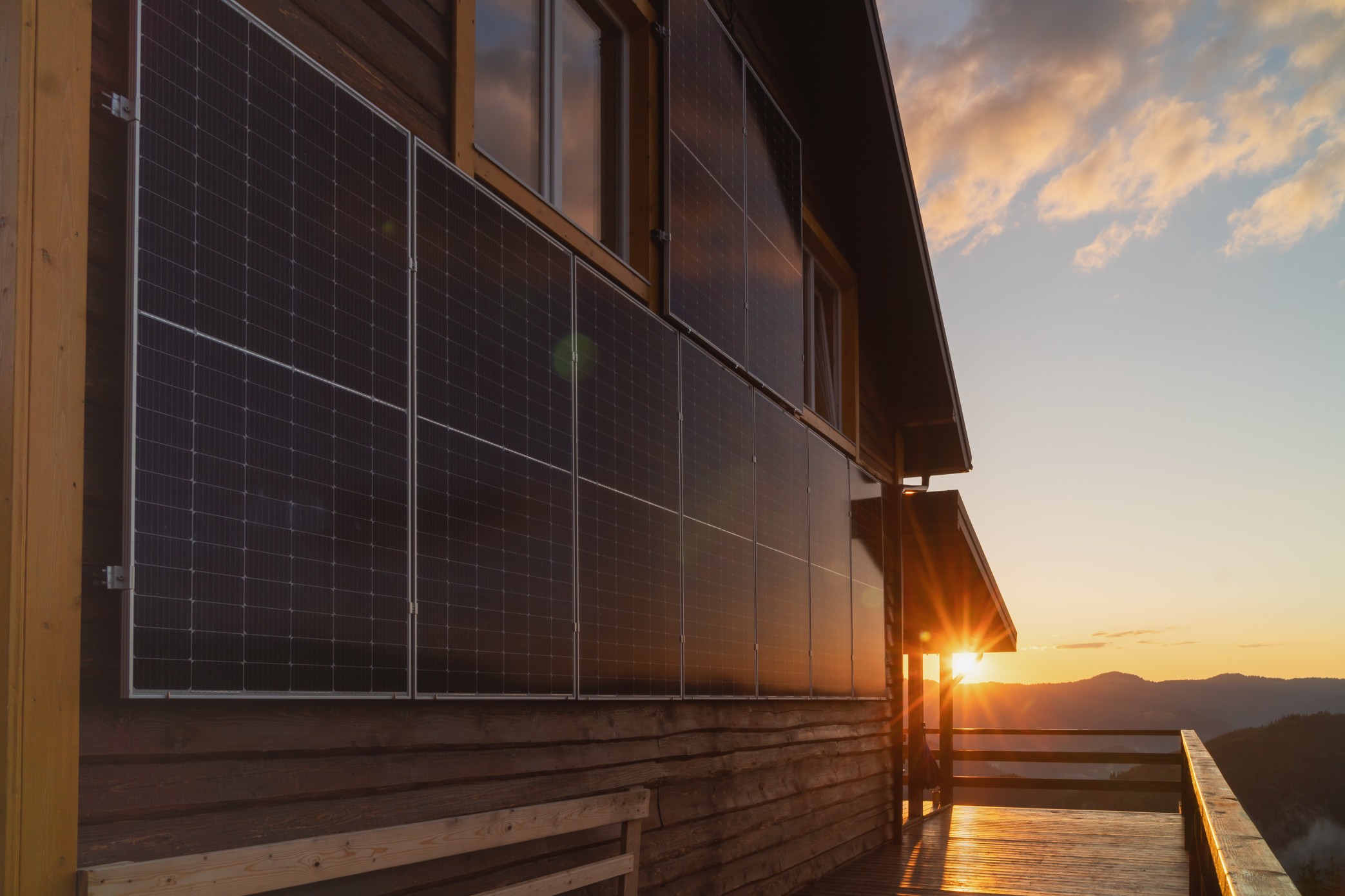
The framework highlights the advantages of rooftop solar PV in urban and suburban areas, which have the highest energy demands and therefore need to be powered locally and sustainably.
Addressing concerns about large-scale solar developments, Defra stated, “By deploying technologies such as rooftop solar, we can make use of existing built land for electricity generation, reducing pressures for land for renewables in other areas.”
SEUK welcomed the framework’s measure to provide free access to data on larger properties, noting that this could accelerate early stages of solar development by making it easier to identify suitable locations with grid access.


.svg)